Shop Now


Diabetes is a long-term condition, but it can be managed well with steady care. Regular check-ups, healthy habits and the right treatment plan help keep your sugar in a safe range. That is why many families look for an Ayurvedic diabetes hospital. They want natural care and regular check-ups in one place.
The need is large in India. The ICMR-INDIAB national study published in 2023 found that 11.4% of Indian adults have diabetes. Another 15.3% have prediabetes. This page explains how diabetes is managed, what Ayurveda offers and which diabetes services are available at Jeena Sikho HiiMS.
Understanding Diabetes and Its Management
Before you choose a care plan, it helps to know what diabetes is. It also helps to know why it needs care every day.
What Is Diabetes?
Diabetes means your blood sugar stays too high. Normally a hormone called insulin moves sugar from the blood into your cells. Your body then uses this sugar for energy. In diabetes, the body makes too little insulin, or it can’t use it well.
There are two main types. In Type 1, the body makes little or no insulin. So, these people need insulin every day. In Type 2, the body does not use insulin well. Type 2 is far more common, and it often builds up slowly over the years.
Common Symptoms and Risk Factors
Common signs include:
- Feeling very thirsty or hungry.
- Passing urine often.
- Feeling tired or having blurred vision.
- Slow healing cuts or sores.
- Tingling or numbness in the hands or feet.
However symptoms alone cannot confirm diabetes. Many people have no symptoms at all in the early stages. Only a blood test can give a clear answer.
Your risk is higher if you are overweight, inactive, or over 35. It also goes up if diabetes runs in your family. High blood pressure, prediabetes or diabetes during pregnancy add to the risk too.
Why Is Regular Diabetes Management Important?
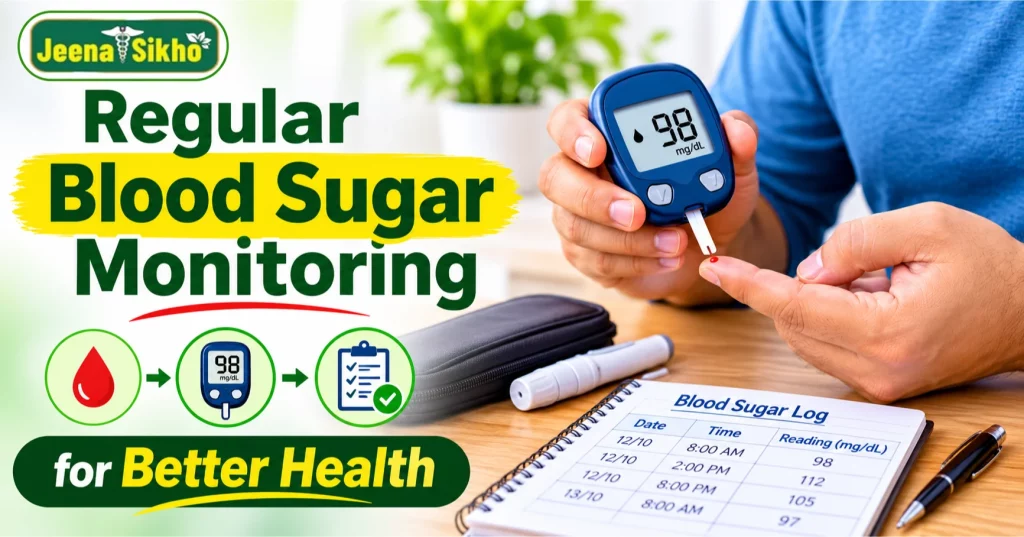
High sugar slowly harms the eyes, kidneys, nerves, heart and feet. Good diabetes management and care help lower this risk.
Regular sugar tests show how well your plan is working. For example, the HbA1c test shows your average sugar over the past three months. Follow-up visits then let your doctor change your diet, exercise, or medicines on time.
Next, let’s see how Ayurveda looks at diabetes.
Understanding the Ayurvedic Approach to Diabetes Care
The Ayurvedic approach to diabetes focuses on digestion, diet, and daily routine. It sees blood sugar problems as part of a wider imbalance in the body.
What Is Madhumeha in Ayurveda?
In traditional Ayurveda, diabetes is known as Madhumeha. The word comes from madhu, meaning honey, and meha, meaning passing urine often. So it describe sweet urine passed in large amounts.
According to Ayurveda, Madhumeha starts with excess Kapha and weak digestive fire, or Agni. Over time, Vata also becomes imbalanced. This leads to tiredness, weight loss and weakness.
Ayurveda describes Madhumeha through signs and body balance while modern medicine define diabetes by blood sugar levels.
The Role of Diet and Daily Habits
Both Ayurveda and modern medicine agree that daily habits shape blood sugar. Balanced meals with whole grains, vegetables, and enough fibre help keep blood sugar stable. In addition regular walking or yoga helps your muscles use glucose better.
Good sleep and stress control matter too. Poor sleep and constant stress can raise sugar levels. So, a fixed time for meals, exercise, and rest forms the base of any care plan.

What Does Research Say About Ayurveda and Diabetes?
Research on Ayurvedic diabetes Care is growing and the early results look positive. A 2022 review looked at 199 clinical trials with 21,191 people with Type 2 diabetes. Several herbs like methi, giloy and karela, helped lower HbA1c, a key marker of long-term sugar control.
The NCCIH also notes that some Ayurvedic preparations may help manage Type 2 diabetes symptoms. Still, many of these studies are small. So, researchers say larger studies are needed to confirm the results.
Also, each body responds in its own way. The same herb may work well for one person and less for another.
Diabetes Treatment Options and Integrated Care
Every person with diabetes needs a plan made for them. Integrated diabetes care combines medical monitoring, diet & lifestyle support and traditional therapies.
Medical Assessment and Blood Sugar Monitoring
Treatment decisions depend on many factors. These include your diabetes type, sugar levels, age, weight, other health conditions and current medicines. For this reason, a proper assessment and regular blood tests come before any change in treatment.
Diet and Lifestyle Guidance
A personal diet and activity plan fits your routine, food habits and health needs. For instance, a desk worker and a farmer need different meal timings and exercise plans. Small changes that you can follow every day usually work better than strict short-term diets.

Understanding the Role of Prescribed Medicines
Prescribed medicines remain an important part of diabetes care. As the NIDDK explains, people with Type 1 diabetes always need insulin. Many people with Type 2 diabetes also need tablets, injections, or insulin. Your doctor decides the treatment based on your reports.
Discussing Ayurvedic Products With Your Doctor
Some herbs can lower blood sugar. If you take them with diabetes medicines, your sugar may drop too low. So, tell your doctor about every herbal product you take. Ask about its contents, quality tests, and possible side effects before you start. This keeps your care safe.
Book An Appointment For Consultation
Ayurvedic Diabetes Care at Jeena Sikho HiiMS
Jeena Sikho HiiMS is an integrated hospital network founded by Acharya Manish ji. As an Ayurvedic diabetes hospital, it combines Ayurveda, Naturopathy and lifestyle guidance with regular tests and follow-ups.
Understanding Available Diabetes Care Services
The Jeena Sikho HiiMS diabetes care has four parts:
- Aahar (Diet): A personalised pH-balanced diet is based on plant foods. Patients also learn how to cook these meals at home.
- Vihar (Lifestyle): Yoga, meditation, sunlight and other mind-body habits for a steady daily routine.
- Shaman (Herbal Support): Herbal blends that may include Gudmar, Vijaysar, Jamun, Karela, Methi, Amla and Neem. Doctors choose them for each patient.
- Shodhan (Therapies): Panchakarma, Neem Karela Therapy and Hot Water Immersion. Doctors plan these after a check-up.

These services aim to support your health along with medical care. Your doctor decides which ones suit you.
Consultation and Patient Assessment
The consultation process follows clear steps. First, the patient registers and meets a doctor. Next, the doctor reviews the patient’s history and orders tests, including blood tests. After that a treatment plan is prepared and followed by regular follow-up visits.
Diet and Lifestyle Guidance
Diet and lifestyle support is part of the care plan. Patients learn what to eat, how to time meals, and which simple practices to follow at home.
Available Consultation Options
Jeena Sikho HiiMS lists these options for diabetes care:
- OPD: Outpatient consultation without admission.
- IPD: Inpatient care with lab tests, monitoring and 24/7 nursing.
- VOPD: Video consultation for first visits, follow-ups and long-term support.
Can’t visit a centre in person? Call for Consultation
Why Consider Jeena Sikho HiiMS for Diabetes Care?
Choosing the right hospital matters when you are managing a long-term condition like diabetes. Here is what makes Jeena Sikho HiiMS a trusted choice.
Complete Care Under One Roof
Diabetes care work best when everything you need is in one place and that is what Jeena Sikho HiiMS offers. Your check-up, tests, diet plan, therapies and follow-ups are all handled by one team. With more than 50 centres across India, help is often nearby. The inpatient units also offer lab tests, round-the-clock monitoring, and 24/7 nursing.
A Root-Cause Approach to Diabetes
What truly sets HiiMS apart is how it looks at diabetes. Instead of focusing on numbers alone, it works on the habits and imbalances behind them. Food, daily routine, herbs and therapies are planned together, so each part supports the other. Ayurveda and Naturopathy guide the plan while regular tests keep track of how your body responds. This approach help you build habits you can follow for life, not just for a few weeks.
Qualified and Experienced Doctors
Your care is also in trained hands. Most HiiMS doctors are BAMS graduates, and some hold MD or MD (AM) degrees. Together with trained therapists, they look after each patient, guided by Acharya Manish ji’s holistic approach.
A Care Plan Made Just for You
The doctor first studies your history, reports and current medicines. Only then do they shape a plan for your diet, routine, and therapies. Regular follow-ups track your sugar, so the plan can change as your body responds. Meanwhile your existing treatment continues alongside.
How to Enquire About Diabetes Care at Jeena Sikho HiiMS
Getting started is simple. Call the main helpline at +91-75289-75283, or email care@jeenasikho.com. You can also visit the location page to find your nearest centre. There, you can check which services it offers. If travel is hard, a VOPD lets you talk to a doctor by video first.
Diabetes needs steady care, regular tests and a plan made for you. An Ayurvedic diabetes hospital can support this through diet, lifestyle guidance, and natural therapies. Meanwhile, your medicines continue under your doctor’s care.

FAQs
1. What should I look for in an Ayurvedic diabetes hospital?
Look for trained doctors, clear details about services and regular sugar checks. A good diabetes care hospital works with your current treatment. It does not replace it.
2. Can Ayurveda help with Type 2 diabetes management?
Some studies suggest a few herbs may help lower sugar. But many of these trials are small or poorly reported. Ayurveda can support diet and lifestyle changes, but it should not replace proven treatment.
3. Can I take Ayurvedic products with diabetes medicines?
They may affect each other, and some herbs can lower sugar even more. So, always check with your doctor before you mix them.
4. Should I stop insulin if I start Ayurvedic treatment?
No. Never stop or change insulin unless the doctor who gave it tells you to. Stopping insulin suddenly can be dangerous.
5. What tests or reports should I bring to a diabetes consultation?
Bring recent reports like fasting sugar, HbA1c, kidney, and cholesterol tests. Also carry a list of your current medicines, their doses and your past medical records.