Shop Now
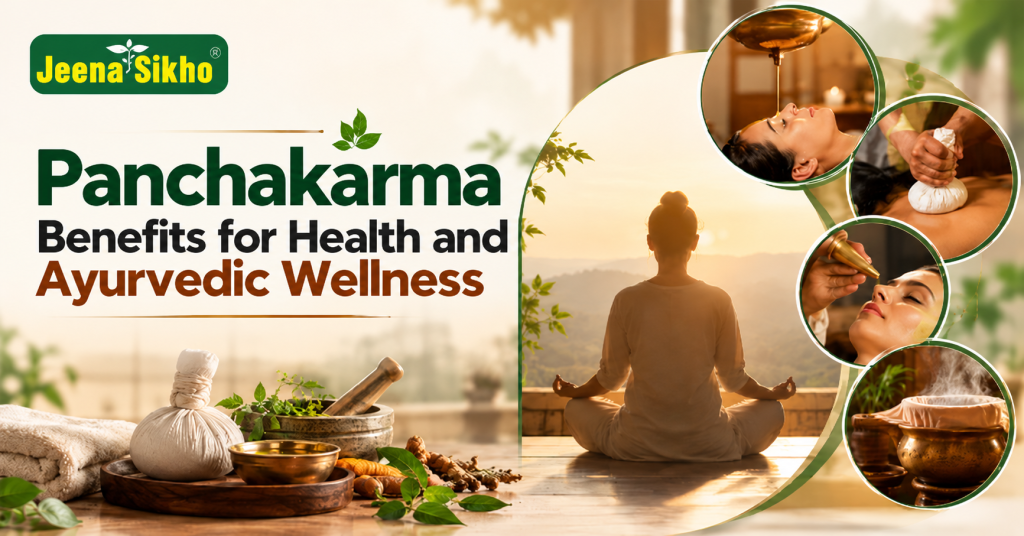

Modern life moves fast. We eat late, sleep less, sit for long hours, and carry stress from morning to night. Many people feel tired, heavy, and low on energy, even when no serious illness is present. Ayurveda says the body needs rest, order, and gentle care from time to time.
Panchakarma is an important part of this Ayurvedic approach. The word means five actions. These are old Ayurvedic methods that guide the body to get rid of waste and regain balance.
In this blog, you will read what Panchakarma means and how the five therapies work. You will also learn about the benefits of Panchakarma that people often talk about and who should take extra care.
What Is Panchakarma in Ayurveda?
Panchakarma is a traditional Ayurvedic system of five main procedures. The word comes from two Sanskrit words. Pancha means five, and Karma means actions.
Ayurveda explains these procedures as a planned process. It looks at the body’s doshas, digestion, and overall condition. The process has three stages:
- Poorva Karma: Oil application (Snehana) and controlled sweating (Swedana) prepare the body.
- Pradhana Karma: The doctor selects the main procedure for the person.
- Paschat Karma: Suitable food and a gentle routine follow the main procedure.
The Central Council for Research in Ayurvedic Sciences (CCRAS), a research body under the Ministry of AYUSH, studies Ayurvedic practices such as Panchakarma.
Want to know if these procedures suit your body? Speak with an experienced Ayurvedic doctor for personal guidance.
Benefits of Panchakarma for Health and Wellness
Panchakarma combines specific procedures with food and routine guidance. The Ayurvedic Panchakarma benefits depend on the person’s health, the procedure chosen, and the doctor’s advice.
Many people talk about Panchakarma purification therapy but Ayurveda describes it as gentle cleansing and balance of the doshas. The Panchakarma benefits that people often discuss include:
- Digestive comfort: The plan gives weight to digestion, food habits, and eating times.
- Body relaxation: Oil massage and similar methods may bring a sense of ease.
- Better sleep routine: Rest and a regular daily schedule may support sleep habits.
- Lifestyle awareness: People learn to watch their food, activity, and rest.
- Personal care: Doctors plan each step by Prakriti, dosha balance, and health.
Every person responds in a different way, so a trained Ayurvedic doctor should guide the choice of procedure and the daily routine that follows.
The Five Main Panchakarma Procedures
Ayurveda uses each procedure for a different purpose. Doctors recommend procedures according to a person’s health condition.
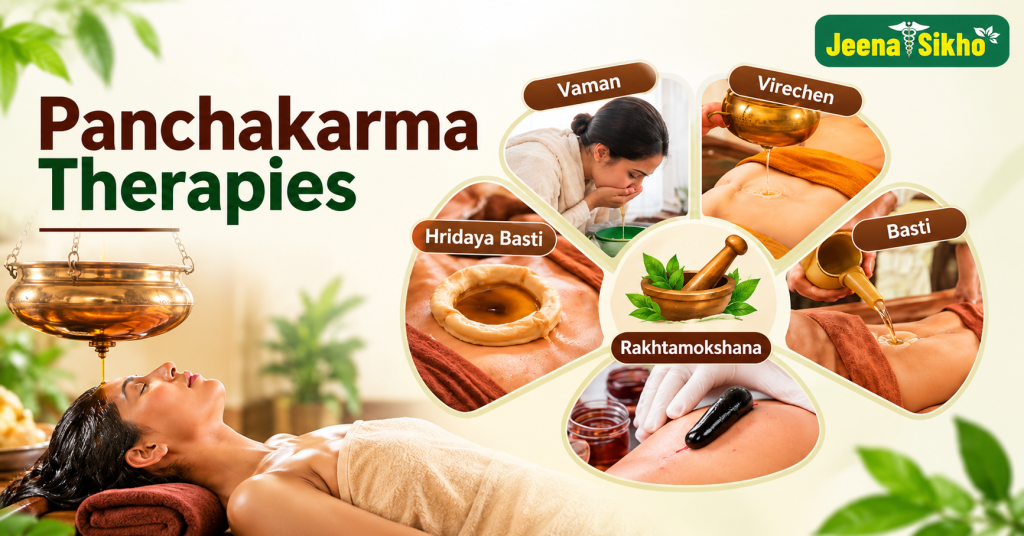
- Vamana Therapy: Controlled, medicated vomiting under expert care. Ayurveda links it with extra Kapha dosha.
- Virechana Therapy: Herbal medicines that encourage bowel movement. Ayurveda links it with Pitta Dosha.
- Basti Therapy: Medicated oils or liquids given through the rectum. Ayurveda gives it great weight for Vata Dosha.
- Nasya Therapy: Herbal oils given through the nose. Ayurveda links it with the head and neck.
- Raktamokshana Therapy: Controlled removal of a small amount of blood in selected cases.
Each procedure has its own method and safety rules. Never try them on your own. Ayurveda describes 3 Doshas, 3 stages of Panchakarma, and 5 main procedures. Classical texts also link some procedures with seasons, such as Vamana in spring and Virechana in autumn.
Who May Consider Panchakarma and Who Needs Caution?
People who want Panchakarma for overall wellness should first check if it suits them. Doctors usually look at:
- Age and physical strength
- Digestion and food habits
- Existing health conditions
- Current medicines
- Medical history
Pregnant women, elderly adults, and people with serious or unstable conditions need extra caution. Panchakarma for body cleansing can be a thoughtful choice for many people when an Ayurvedic doctor plans it around their health, age, and daily routine.
How Jeena Sikho Approaches Ayurvedic Wellness
Here, Ayurveda and integrated wellness practices form part of the wider approach to health. The focus stays on your health condition, food habits, and daily routine. Depending on your assessment, care may include:
- Ayurvedic consultation: Doctors understand your Prakriti, digestion, and concerns.
- Panchakarma procedures: Doctors consider suitable ones after assessment.
- Diet guidance: Food advice matches your needs.
- Lifestyle guidance: Activity, rest, and routine get you proper weight.
- Health monitoring: Doctors review existing conditions and reports while planning care.
Doctors often observe that people feel more at ease when they understand the reason behind each step.
Why Many People Choose Natural Care
Modern medicines often focus on one symptom at a time. With long use, some of them bring side effects such as stomach upset, drowsiness, or a habit of depending on tablets.
Because of this, many people study the benefits of Panchakarma before they decide. Ayurveda uses herbs, oils, diet, and routine, which feel closer to nature.
Many seek Panchakarma for overall wellness as part of a calm, regular lifestyle. People feel more at ease when they understand the reason behind each step.
Conclusion
Panchakarma holds a special place in Ayurveda. It joins old procedures with food, rest, and daily routine. Yet every procedure has its own method and safety rules, so expert guidance matters before you decide. The benefits of Panchakarma are best understood with a doctor who knows your health.
At Jeena Sikho , you can learn about Ayurvedic wellness and personal care that suits your needs. Book a appointment to talk with an Ayurvedic expert and understand the process before you begin. Take that first step with care and patience.
FAQs
1. What are the benefits of Panchakarma?
People often talk about digestive comfort, body relaxation, a better sleep routine, and more awareness of food and rest. Results differ from person to person.
2. What are the five main Panchakarma procedures?
They are Vamana, Virechana, Basti, Nasya, and Raktamokshana. Each one has a different purpose in Ayurveda.
3. Does everyone need all five procedures?
No. Doctors choose procedures by looking at a person’s health condition, digestion, and daily habits.
4. Why do many people choose natural care like Ayurveda?
Many people feel that herbs, oils, diet, and routine are closer to nature. Some also wish to avoid the side effects that can come with long use of modern medicines.
5. How can I start Panchakarma at Jeena Sikho?
Book a VOPD consultation to talk with an Ayurvedic expert. The doctor will explain the process and suggest what suits your needs.