Shop Now

In today’s fast-paced world, more people are becoming conscious of their health and looking for ways to maintain their wellbeing before health concerns begin to affect their daily lives. Along with modern healthcare, there is a growing interest in traditional wellness practices that focus on daily routines, balanced nutrition and a more mindful way of living. Ayurveda, with its roots in ancient Indian wisdom, continues to attract people who want to understand their individual health needs and build healthier habits.
One of the well-known practices in Ayurveda is panchakarma, a group of traditional procedures carried out under professional supervision when considered appropriate. It is often explored by people interested in Ayurvedic wellness, personalised guidance and structured lifestyle programmes.
Choosing among the best ayurveda centres in India therefore involves more than comparing treatment packages, facilities and online reviews. Practitioner qualifications, available procedures, safety practices, consultation options and follow-up care all deserve careful consideration.
India has a range of Ayurvedic facilities, including government teaching hospitals, research institutions, private Ayurvedic hospitals and residential wellness centres. This guide explores selected centres through their publicly listed services and official information, helping readers compare their options and make a more informed decision.
Understanding Ayurveda and Its Approach to Wellness
Ayurveda is an ancient Indian system of healthcare that emphasises balanced nutrition, daily routines, individual constitution and traditional therapies to support overall wellbeing. It follows a holistic approach that considers how food habits, sleep, physical activity and lifestyle choices may influence a person’s health. Today, many people explore Ayurveda to develop healthier routines and learn more about traditional wellness practices.
The Role of Doshas in Ayurvedic Practice
In Ayurvedic tradition, Vata, Pitta and Kapha are described as three doshas. They form part of the traditional framework used to understand the constitution and guide recommendations. This assessment should not replace appropriate medical examinations when symptoms or health concerns are present.
Personalised Care, Diet and Daily Routine
An Ayurvedic consultation may consider a person’s symptoms, medical history, diet, sleep and daily activities. Some centres also offer dietary guidance and lifestyle recommendations. A suitable plan should account for nutritional needs, existing conditions, allergies and medicines.
What Is Panchakarma Treatment?
Panchakarma is an important part of traditional Ayurveda that focuses on specific procedures selected according to an individual’s health needs and Ayurvedic assessment. Rooted in classical Ayurvedic principles, it is traditionally associated with five main procedures and is often included in structured Ayurvedic wellness programmes.
Panchakarma treatment in India is offered at various Ayurvedic hospitals, teaching institutions and wellness centres. Depending on the individual’s assessment, a programme may include preparatory practices, selected procedures, dietary guidance and post-procedure care. Since each procedure has a different purpose and may involve specific risks, Panchakarma should be planned by a qualified Ayurvedic practitioner after reviewing the person’s health history and suitability.
The Five Main Panchakarma Procedures
- Vamana: A therapeutic emesis procedure described in traditional Ayurveda. It may cause fluid loss and other complications, so careful screening is important.
- Virechana: A therapeutic purgation procedure that induces bowel evacuation. Depending on the preparation and individual response, it may cause dehydration or electrolyte disturbances.
- Basti: A procedure involving the administration of selected substances through the rectal route. Hygiene and appropriate professional supervision are essential.
- Nasya: The administration of selected preparations through the nose. The method and substances depend on the procedure and individual circumstances.
- Raktamokshana: A traditional bloodletting procedure. As it is invasive, bleeding risks, hygiene and practitioner competence require particular attention.
Preparation, Main Procedure and Recovery
A Panchakarma programme may include three broad stages:
- Purva Karma: Preparatory measures selected according to the planned procedure.
- Pradhana Karma: The main procedure, performed under appropriate supervision.
- Paschat Karma: Recovery guidance, which may include dietary instructions, rest and follow up.
These three stages work together to structure the Panchakarma process, from initial preparation to post-procedure recovery, with each stage planned according to the individual’s needs and the guidance of a qualified Ayurvedic practitioner.
Want to know if Panchakarma is suitable for you? Consult an Ayurvedic practitioner for a personalised assessment.
Top Ayurveda Centres in India for Panchakarma and Wellness
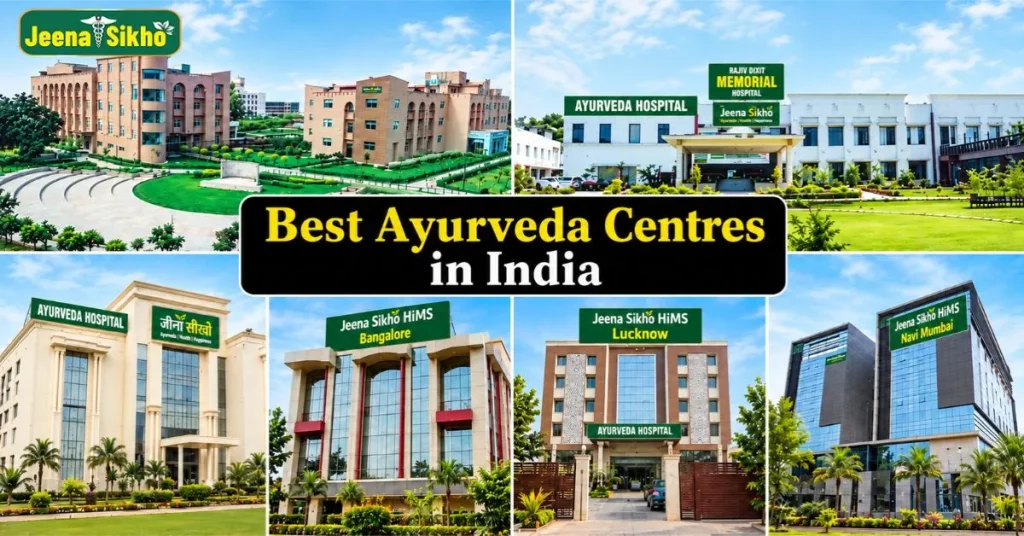
When exploring ayurveda hospitals in India, it is useful to compare the services available at individual branches rather than assuming every hospital offers the same facilities. Jeena Sikho HiiMS has a network of hospitals in different parts of India,
The following five hospitals are options to explore if you are looking for Ayurvedic consultation, traditional therapies or Panchakarma services. Before planning a visit, confirm the availability of the specific procedure, practitioner details, consultation fees and follow-up arrangements directly with the branch.
1. Jeena Sikho HiiMS Hospital, Panchkula, Haryana
Location: Plot No. 257 to 260, near DLF Valley, Amravati Enclave, Raipur, Panchkula, Haryana 134102.
Jeena Sikho HiiMS Panchkula is a 100-bed hospital that lists Ayurveda, Panchakarma, naturopathy and inpatient and outpatient services.
Services to enquire about:
- Ayurvedic consultation and health assessment
- Panchakarma procedures, subject to individual assessment
- Naturopathy and diet-related guidance
- Inpatient and outpatient care
2. Jeena Sikho HiiMS Hospital, Meerut, Uttar Pradesh
Location: Shuddhigram, Meerut, Uttar Pradesh. Confirm the exact address before travelling.
Jeena Sikho HiiMS Meerut Shuddhigram offers Ayurveda, Panchakarma, naturopathy and specialised inpatient and outpatient services. For people in Meerut and nearby areas, this branch is an option to consider when researching Panchakarma treatment in India. The appropriate procedure and care plan should be decided only after an individual assessment.
Services to enquire about:
- Ayurvedic consultation
- Panchakarma and traditional Ayurvedic procedures
- Naturopathy and lifestyle guidance
- Inpatient and outpatient facilities
3. Jeena Sikho HiiMS Hospital, Lucknow, Uttar Pradesh
Location: Sewa Hospital Campus, Sitapur Road, Lucknow, Uttar Pradesh 226201.
Jeena Sikho HiiMS Lucknow lists Ayurveda, Panchakarma and naturopathy related services, along with inpatient and outpatient care. Its official page also provides information about doctors and hospital contact details.
People in Lucknow and nearby districts can enquire about the availability of traditional Ayurvedic therapies and the assessment process before starting a programme.
Services to enquire about:
- Ayurvedic consultation and health assessment
- Panchakarma procedures, depending on suitability and availability
- Naturopathy and lifestyle-related guidance
- Outpatient and inpatient services.
4. Jeena Sikho HiiMS Hospital, Navi Mumbai, Maharashtra
Location: Plot No. A 786, Ellora Olearise, MIDC, TTC Industrial Area, Khairane Village, Navi Mumbai, Maharashtra 400710.
Jeena Sikho HiiMS Navi Mumbai is an integrated hospital offering Ayurveda, Panchakarma, naturopathy and other holistic healthcare services. The hospital provides inpatient and outpatient care options.
Services to enquire about:
- Ayurvedic consultation
- Panchakarma and traditional therapies
- Naturopathy and lifestyle guidance
- Inpatient and outpatient care, subject to availability
5. Jeena Sikho HiiMS Hospital, Bengalore, Karnataka
Location: Krishna Nagar Industrial Area, 18, Hosur Main Road, near Christ University, Venkateshwara Layout, Koramangala, Bengaluru, Karnataka 560030
Jeena Sikho HiiMS Bangalore is a location to explore for people looking for Ayurvedic healthcare and holistic wellness services in the city. Patients can enquire about Ayurvedic consultations, Panchakarma and other available services based on their individual needs.
Services to enquire about:
- Ayurvedic consultation
- Panchakarma and traditional therapies
- Lifestyle and wellness guidance
- Available inpatient and outpatient facilities
6. Jeena Sikho HiiMS Hospital, Derabassi, Punjab
Location: Pind Devinagar, Chandigarh-Delhi Highway, Derabassi, Punjab 140507.
Jeena Sikho HiiMS Derabassi is an integrated Ayurveda hospital offering Ayurvedic treatments, Panchakarma, naturopathy and wellness services. It provides consultation and personalised care based on individual health needs, along with inpatient and outpatient facilities.
Services to enquire about:
- Ayurvedic consultation and health assessment
- Panchakarma procedures and traditional Ayurvedic therapies
- Naturopathy and lifestyle guidance
- Inpatient and outpatient care
Why Consider Jeena Sikho HiiMS for Ayurveda and Panchakarma Care?
Jeena Sikho HiiMS offers an integrated approach to wellness that brings together traditional healthcare practices and natural healing methods. Its facilities provide services such as Ayurvedic care, Panchakarma therapies, naturopathy, yoga, meditation, and diet and lifestyle guidance. Depending on the centre and individual requirements, people can explore different wellness programmes and consultation options under the guidance of healthcare professionals.
The approach focuses on understanding individual health needs and encouraging healthier lifestyle practices through traditional systems of wellness.
1. A Network of Hospitals Across India
Jeena Sikho HiiMS has a network of hospitals across India, offering Ayurvedic care and holistic wellness services at various locations. Each hospital caters to the healthcare needs of its region, with services and facilities that may vary by branch.
2. Consultation and Individualised Planning
An initial consultation provides an opportunity to discuss your health history, current medicines, symptoms and expectations. Before starting Panchakarma, ask why a procedure is being recommended, what it involves, what risks may apply and whether further assessment is needed.
3. Panchakarma and Wellness Services
HiiMS lists Panchakarma and other Ayurveda-related services at selected locations. Contact your chosen branch to confirm the exact services, who will perform them, supervision arrangements and follow-up support.
How to Choose the Best Ayurveda Centres in India
The right centre depends on your individual needs. Use these checks before making a decision.
1. Check Doctors’ Qualifications, Experience
Check the doctors’ recognised qualifications, relevant experience and professional registration, where applicable. You can also look at their areas of expertise and patient reviews to understand their communication style and consultation experience.
2. Understand the Available Treatment Options
Ask which Ayurvedic therapies and Panchakarma procedures are available at the centre. Understand their purpose, suitability and possible risks before choosing any procedure. The treatment plan should be based on an individual assessment rather than a standard package.
3. Check Hospital Facilities and Infrastructure
Look for clean consultation rooms, properly maintained therapy areas, comfortable patient rooms and hygienic surroundings. If you require inpatient care, check the availability of suitable accommodation, nursing support and essential facilities during your stay.
4. Look for Personalised Treatment and Care
Every individual has different health needs. Check whether the doctors review your medical history, current medicines, lifestyle, dietary habits and existing health conditions before suggesting a wellness plan or therapy.
5. Ask About Safety Practices and Emergency Support
Ask how the centre assesses a patient’s suitability for different procedures and manages possible side effects. Also check whether trained staff, emergency response arrangements and access to appropriate medical support are available, especially for inpatient procedures.
6. Understand the Treatment Plan, Duration and Cost
Before starting, request a clear explanation of the recommended procedures, preparation, duration, dietary guidance and follow-up requirements. Confirm the total cost, including consultation fees, medicines, therapies, accommodation and any additional services.
7. Check Patient Reviews and Hospital Reputation
Read patient reviews across different platforms to understand their experiences with doctors, staff behaviour, cleanliness, communication and overall hospital services. Consider reviews as general feedback rather than a guarantee of treatment outcomes.
8. Ask About Follow-Up Care and Recovery Support
Care should not end when the hospital visit or therapy session is complete. Ask whether the centre provides follow-up consultations, dietary guidance, lifestyle recommendations and support for discussing any concerns after discharge.
Important: Before finalising a hospital or Panchakarma centre, contact the facility directly to confirm the doctor’s availability, current services, charges and safety arrangements.
What to Expect During a Panchakarma Programme
Initial Consultation and Preparation
The practitioner should review your medical history, symptoms, allergies, surgeries, medicines and supplements. Bring relevant reports and prescriptions. Do not begin fasting, stop medicines or use laxatives independently to prepare for a procedure.
The Treatment Phase
Ask how long each session will last, what to expect and which symptoms should be reported. You should be able to raise concerns and understand the procedure before giving consent.
Recovery and Follow-Up
Follow the instructions provided for your specific programme. Ask for written recovery guidance and details of whom to contact if you feel unwell afterwards.
Conclusion
Choosing among the best ayurveda centres in india begins with understanding your needs and verifying the services each centre offers. Government teaching hospitals, established Ayurvedic institutions and private hospital networks have different facilities and consultation arrangements, so compare them carefully rather than relying on rankings alone.
Before booking Panchakarma, check practitioner qualifications, treatment suitability, safety measures, costs and follow-up care. If you are considering Jeena Sikho HiiMS, visit the official hospital directory to explore locations and enquire about available services or a consultation. An informed decision starts with asking the right questions and understanding the plan before treatment begins.
If you are considering Ayurvedic care, book a video consultation with a specialist to discuss your health concerns and explore suitable treatment options.
FAQs
1. Which are the best Ayurveda centres in India for Panchakarma?
There is no single centre that is best for everyone. Options to research include AIIA in New Delhi, NIA in Jaipur, Government Ayurveda College in Thiruvananthapuram, Arya Vaidya Sala in Kottakkal and selected Jeena Sikho HiiMS hospitals. Compare their services, qualifications, safety practices, location and costs.
2. Do all Ayurveda centres offer Panchakarma?
No. Services vary by institution and location. Contact the specific centre to confirm the procedure you need.
3. How long does a Panchakarma programme take?
Duration depends on the procedure, the individual’s circumstances and the centre’s plan. Request an assessment and written schedule before booking.
4. Is Panchakarma suitable for everyone?
No. Existing medical conditions, medicines, pregnancy and other factors may affect suitability. Discuss your health history with a qualified practitioner.
5. Can I consult an Ayurveda centre online?
Some institutions offer online consultations. Arya Vaidya Sala lists consultation options, and the selected Jeena Sikho HiiMS locations list VOPD. Confirm current availability and whether an in-person examination is necessary.