Shop Now
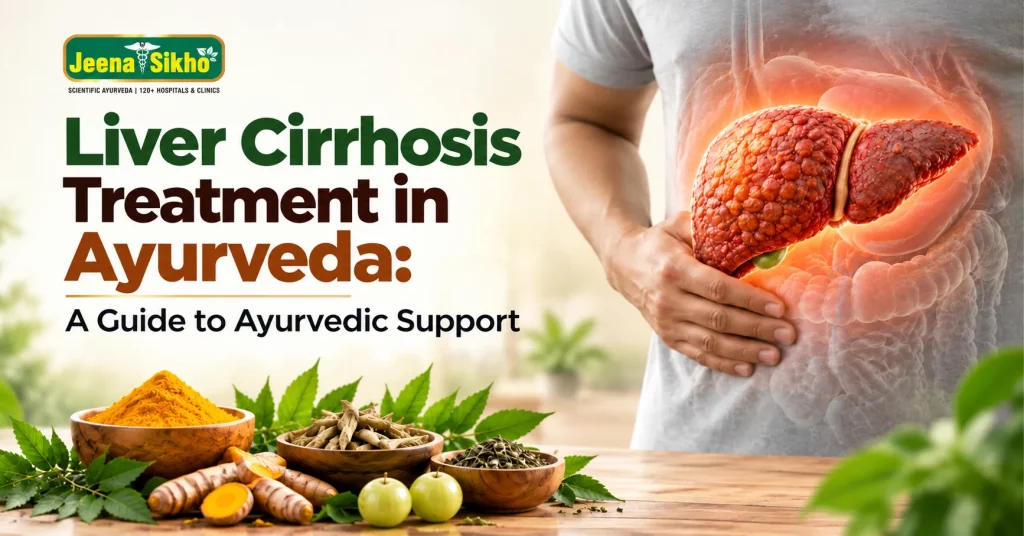

A cirrhosis diagnosis brings up many questions, and one of the first is whether Ayurveda has a place in care. Here is the honest picture: Liver cirrhosis treatment in Ayurveda works best as support. In this blog, we explain what cirrhosis is, what causes it, the early signs and symptoms, and how Ayurveda looks at it.
What is Cirrhosis? Understanding Chronic Liver Disease
Cirrhosis means scarring of the liver, which makes it harder for the organ to do its job. MedlinePlus, the U.S. National Library of Medicine’s health site, describes cirrhosis as the last stage of chronic liver disease.
The scarring builds up slowly over many years, so many people feel fine until the liver is quite damaged. That’s why knowing the causes and warning signs matters.
Causes of Liver Cirrhosis
The causes of liver cirrhosis usually come from long-term injury to the liver. The most common ones in India are alcohol-related liver disease, fatty liver (NAFLD) linked to weight and diabetes, and hepatitis B and C. Autoimmune conditions, some medicines and inherited liver diseases can also lead to it.
It is not only a problem for heavy drinkers. According to a report in The Week, India accounts for about 18.3% of global liver disease deaths, and in 2017 it recorded around 0.22 million deaths from cirrhosis and other chronic liver diseases. The same report notes that cirrhosis can develop even in people who don’t drink, and that nearly 94% of people in one Indian study were unaware of fatty liver disease.
Liver Cirrhosis Symptoms to Watch For
Liver cirrhosis symptoms often come on slowly, and some people have none at first. MedlinePlus lists what to look for at each stage.
Early Signs of Liver Cirrhosis
The early signs of liver cirrhosis are easy to put down to age, stress, or a busy routine:
- Tiredness and loss of energy
- Poor appetite
- Weight loss
- Nausea or discomfort in the belly
At Jeena Sikho HiiMS, many families tell us the first thing they noticed was tiredness and a poor appetite that they assumed was just stress.
When the Liver Is Struggling More
As liver function drops, symptoms can include swelling in the legs, fluid in the abdomen (ascites) and yellowing of the skin or eyes. Easy bruising, itching and confusion can also appear. Get urgent medical help if you vomit blood, pass black stools, or notice new confusion, or if the belly swelling or yellowing gets worse quickly.
Liver Cirrhosis Treatment in Ayurveda: How It Is Viewed
In Ayurveda, cirrhosis is related to conditions such as Yakrit Vikara, Udara and Jalodara (when there is fluid in the abdomen). Liver cirrhosis treatment in Ayurveda is usually built around the person’s stage and strength, and combines diet, herbal medicines, lifestyle advice and, when suitable, Panchakarma therapies.
What does the research say? A study of 56 patients with cirrhosis and ascites, treated with a multiherbal Ayurvedic regimen at an Ayurveda hospital in Nadiad, was non-randomized and uncontrolled. The authors call for better-designed studies. So the evidence is still early, and Ayurvedic care is best treated as support alongside conventional care.
Curious whether Ayurvedic care fits your stage of cirrhosis? Ask a Jeena Sikho HiiMS doctor before you start anything.

What to Look for When Choosing Ayurvedic Care for Liver Cirrhosis
If you’re considering Liver cirrhosis treatment in Ayurveda, here are the points worth checking before you start.
1) Doctors Who Review Your Reports
The doctor should go through your liver function tests, scans and current medicines before suggesting anything.
2) Regular Monitoring
Ask how your progress will be tracked, for example with blood tests, ultrasound or a FibroScan, and how often.
3) A Diet Plan That Matches Your Stage
Salt, protein and fluid needs differ in cirrhosis, so the diet should be set for you and not copied from a general list.
4) Clear Safety Advice on Herbs
Some herbs can affect the liver. A good doctor tells you what is safe for you and what to avoid.
5) Coordination With Your Hepatologist
Your Ayurvedic doctor and your liver specialist should know about each other’s advice.
6) An Honest Talk About Limits
Cirrhosis is a serious condition. Be careful with anyone who promises a fixed outcome.
Liver Care at Jeena Sikho HiiMS
Jeena Sikho HiiMS offers Ayurveda-based support for people looking at liver cirrhosis treatment in Ayurveda alongside their regular medical care. The plan can include:
Consultation and monitoring:
The doctor reviews your history, current medicines, liver function tests and scan reports, and HiiMS patient stories mention FibroScan reports being used to follow progress. The plan is then adjusted to your results and how you feel.
pH-balanced diet:
Acharya Manish Ji’s diet follows a Plate 1 and Plate 2 pattern, built around fruits, vegetables, and millets. In cirrhosis, the doctor decides the portions and any limits on salt, protein, or fluids for your stage.
Liver Detox Kadha:
HiiMS describes a 7-Day Liver Detox Kadha, which is a fresh green juice made by blending a small handful of neem leaves, 10 to 12 mint leaves, a small bunch of coriander, 6 to 8 curry leaves, 2 to 3 pipal leaves, 2 to 3 guava leaves, 2 to 3 banyan leaves, a 1-inch piece of raw turmeric and one seasonal fruit.
The routine on the HiiMS website is one glass every morning for 7 days, along with 1.5 teaspoons of apple cider vinegar twice a day, more fruits and salads, and eating half the usual meals.
This routine is written for general liver wellness. If you have cirrhosis, please don’t cut your meals or start the kadha on your own. People with cirrhosis often lose weight and muscle and need regular meals, and some herbs can affect the liver, so your doctor should approve the kadha first.
Panchakarma:
These are cleansing therapies such as Virechana (controlled purgation), Basti (medicated enema), Abhyanga (oil massage) and Swedana (steam). Jeena Sikho HiiMS also runs hospitals, where patients can be admitted and given Panchakarma under supervision along with a therapeutic diet and close monitoring. The doctor plans each therapy only after checking your liver tests, strength, and any fluid or bleeding risk. Panchakarma isn’t suitable at every stage, for example when you are very weak or confused, so the doctor decides what is safe for you.
Yoga and lifestyle guidance:
Gentle movement, regular sleep and a steady routine, as your condition allows.
Conclusion
Cirrhosis is a serious condition, and the most useful steps are the steady ones: stopping alcohol, treating the cause, eating the right diet, taking your medicines, and getting regular check-ups.
Liver cirrhosis treatment in Ayurveda can add diet, therapy, and lifestyle support to that, but it should work with your hepatologist and not replace them. If you’d like to talk through your reports with a doctor from home, you can book an online consultation.

FAQs
Q1. Can Ayurveda cure liver cirrhosis?
No treatment is known to reverse established cirrhosis. Ayurveda is best used as support alongside your hepatologist’s plan.
Q2. What are the first signs of cirrhosis?
Tiredness, poor appetite, weight loss, and nausea are common early signs. Some people have no symptoms at all.
Q3. Can I drink alcohol in small amounts with cirrhosis?
No. Doctors advise no alcohol at all with cirrhosis.
Q4. Is the Liver Detox Kadha safe for cirrhosis?
Only if your doctor approves it. Don’t skip meals, and tell your doctor about every herb you take.
Q5. When should I go to the hospital?
If you vomit blood, pass black stools, feel confused, or your belly swelling or yellow eyes get worse quickly, get urgent care.