Shop Now
High blood pressure is becoming common these days. Many people have it without even knowing. It does not always show strong signs in the beginning, and that is where the real problem starts. When we talk about the symptoms of high BP, it is important to understand that they are often silent or very mild. Because of this, people often ignore small changes in the body.
At Jeena Sikho HiiMS, attention is often given to noticing early body signals. Not everything comes suddenly. The body usually gives hints, but they are not always clear. That is why awareness is needed.
High BP, also called hypertension, slowly affects the body. Over time, it may impact the heart, brain, and kidneys. Knowing the early signs can help in taking timely care. This guide explains in very simple words what one may feel, what to notice, and when to be careful.
What is High BP in Simple Terms
High BP means the pressure of blood in the arteries is higher than normal. In simple words, blood is flowing with more force than needed.
This pressure can slowly harm the blood vessels. It does not develop in one day It builds up over time, so many people do not notice it early.
That is why it is often called a silent condition, because symptoms are not always clear.
What Are the Symptoms of High BP?
The symptoms of high BP are not the same in every person. Some may feel a few changes, while others may feel nothing at all.
Common signs can include:
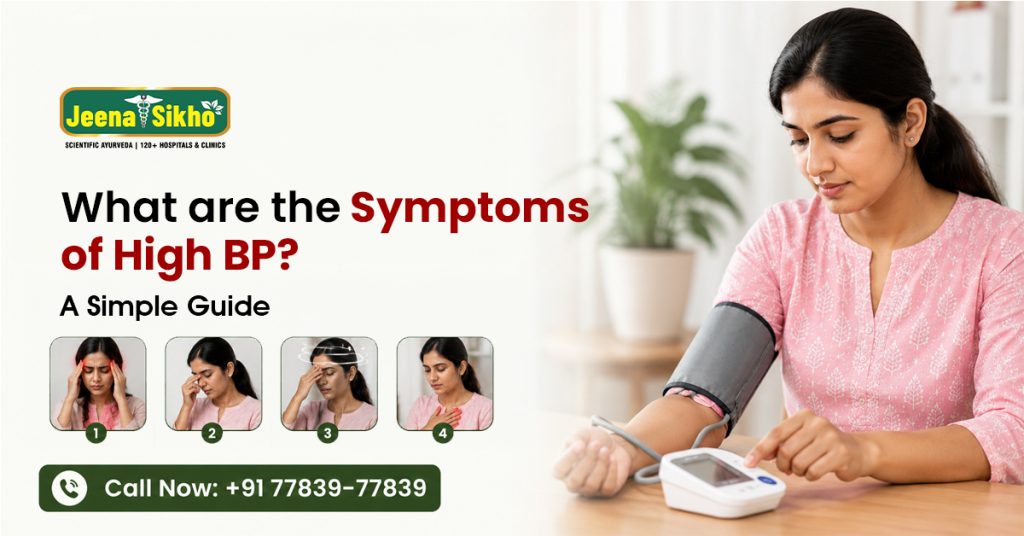
1. Mild headache, especially in the morning
Some people feel a dull or heavy pain in the head after waking up. It may not feel very strong, so it is often ignored.
2. Feeling dizzy sometimes
There can be a light spinning feeling or imbalance. It may come and go, especially when standing up suddenly.
3. Slight chest discomfort
A feeling of tightness or uneasiness in the chest may be noticed at times, even without heavy activity.
4. Shortness of breath after little activity
Simple activities like walking or climbing stairs may feel more tiring than usual.
5. Tiredness without a clear reason
Even after rest, the body may feel low in energy. This can continue for many days.
These are not always strong symptoms of high blood pressure. Many people ignore them, thinking it is just stress or tiredness. But when such patterns repeat, they should not be ignored.
Early Signs of High BP That Are Often Ignored
The early symptoms of high BP can be very light. They may not feel ill at all.
A person may feel:
- Restlessness
- Trouble sleeping
- Sudden sweating without reason
- Slight irritation or mood changes
These small signals are easy to ignore. But when they keep happening, it may be the body trying to tell something.
Not every small issue means BP is high, but repeated discomfort should be checked.
Common Causes That Increase the Risk of High BP
Certain habits and conditions can increase the chances of high BP:
- Eating too much salty or processed food
- Lack of physical activity
- Stress and the irregular routine
- Weight imbalance
- History of the family
These factors may not show the high BP symptoms directly, but they increase the risk over time. If ignored for long, the condition may slowly get worse.
Why High BP Often Shows No Symptoms
One confusing thing is that even with symptoms of high BP, many people still feel completely normal. There may be no pain or discomfort at all.
This happens because the body slowly gets used to the pressure. But inside, changes may still be happening.
That is why checking BP regularly is important, even if everything feels fine.
A Balanced Approach to High BP Care
High BP treatment is not always about strong medicines only. Many times, lifestyle plays a big role.
Basic care may include:
- Regular walking or light exercise
- Simple and balanced food habits
- Maintaining a daily routine
- Reducing stress slowly
At Jeena Sikho HiiMS, attention is also given to natural ways of balancing the body. Traditional thinking often focuses on correcting daily habits first.
This approach is not about quick results. It is more about a steady balance over time.
When You Should Get Your BP Checked
BP should be checked if:
- Headaches are frequent
- There is regular dizziness
- Family history is present
- Age is increasing
Even without high blood pressure symptoms, occasional checking is helpful. It gives clarity and avoids guesswork.
Conclusion
High BP is not always loud. It often stays quiet for a long time. The symptoms of high BP can be mild, confusing, or even absent. That is why awareness matters more than waiting for strong signs.
Ignoring small discomforts again and again may not be a good idea. Simple observation of body signals can help early.
At Jeena Sikho HiiMS, the idea behind high BP treatment is to understand the body slowly and take steps in a balanced way, not in panic. If someone feels unsure or notices repeated symptoms, it is better to consult. You can also consider a VOPD consultation to understand your condition more clearly. 
FAQs
1. What Signs May Indicate High BP?
The mild headache, dizziness, tiredness, and breathlessness are some of the common signs.
2. Is a headache a sign of high BP?
Frequent or morning headaches may be linked to high BP.
3. Is high BP dangerous?
If ignored, it may affect the heart, brain, and kidneys.
4. Can exercise help manage BP?
Regular physical activity may help keep the BP balanced.
5. What should I avoid in high BP?
Avoid too much salt, stress, and an inactive lifestyle.