Shop Now
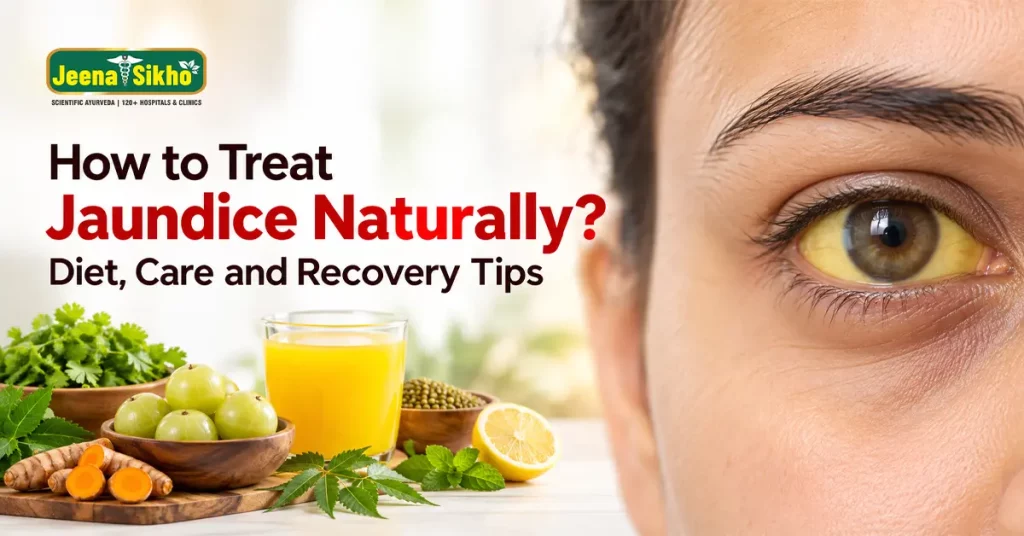
Jaundice is a medical condition that results in yellowness of the skin and the whites of the eyes. This occurs because there is a buildup of a yellow chemical known as bilirubin in the body. Jaundice is not a disease on its own. It can be linked with different conditions affecting the liver, gallbladder, bile ducts or blood cells.
This is why finding the jaundice cause is the first step towards appropriate care. Along with professional medical guidance, simple habits such as eating suitable foods, staying hydrated, getting enough rest and avoiding alcohol can support the body during recovery.
If you are looking for jaundice treatment or natural ways to support recovery, this blog explains what happens in the body, what you can eat, which habits to follow and when you should consult a jaundice doctor.
What Happens to Your Body When Jaundice Occurs?
Bilirubin is made when the old cells of the red blood break down. In normal circumstances, the liver works on the bilirubin and allows the body to eliminate it via bile. If there is a problem with this function, bilirubin builds up in the blood and tissue, causing a yellow appearance.
The reasons behind this build-up can be different. Hepatitis, gallstones, alcohol-related liver disease, pancreatitis and certain blood disorders are among the possible causes.
Apart from yellow eyes or skin, a person may experience dark urine, pale stools, itching, tiredness, nausea or loss of appetite. These symptoms can have different causes, so natural care should not replace proper evaluation.
How Is Jaundice Diagnosed?
The determination of the jaundice causes is crucial since it will determine the mode of treatment to be used.
The healthcare practitioner may suggest:
- Bilirubin testing
- Liver function tests
- Complete blood count
- Tests for viral hepatitis
- Ultrasound or other imaging
- Other tests based on the symptoms and medical history
These blood tests and imaging studies assist in evaluating liver functioning and any liver or bile disorders.
Book a Free Consultation
Should you be suffering from yellowing of your eyes or skin, dark urine, abdominal pains or any other symptom related to Jaundice, you can consult with the experts at Jeena Sikho HiiMS for free.
What Should You Eat During Jaundice?
No universal diet exists for the treatment of jaundice patients. The choice of food must be based on the cause of the disease, appetite and nutritional state of the patient.
Clinical research and dietary recommendations on liver disease prove the need for individualisation of the nutrition rather than use of a restricted diet.
Choose Light and Balanced Foods
In cases where the appetite and digestion have been impacted, then light foods will seem more easily digestible. These could be:
- Moong Dal
- Soft Khichdi
- Oats
- Vegetables that have been cooked
- Seasonal fruits
- Papaya
- Citrus fruits
- Whole grains
The emphasis should be on maintaining a balanced diet and not just focusing on one food item for getting jaundice relief.
Stay Hydrated
Drink adequate fluids throughout the day unless your healthcare professional has advised you to restrict fluids.
Water can be the main source of hydration. Coconut water and other suitable fluids may also be included according to individual needs.
There is no need to force excessive amounts of fluid or depend on a particular juice as a treatment for jaundice.
Eat Smaller Meals
If you have a poor appetite, nausea or digestive discomfort, smaller meals spread throughout the day may be easier to manage than large meals.
Clinical nutrition guidelines emphasise maintaining adequate nutritional intake and assessing nutrition according to the person’s liver condition and needs.
Avoid
During recovery, it is better to avoid foods and habits that may make a healthy diet more difficult.
Try to avoid or limit:
- Alcohol
- Deep-fried foods
- Very greasy meals
- Heavy fast food
- Highly processed snacks
- Excess refined sugar
- Unnecessary supplements
Alcohol is particularly important to avoid when liver disease is involved. Your doctor may recommend additional dietary restrictions depending on the underlying cause.
Natural Care Tips for Jaundice Relief
Natural care should be understood as supportive care, not as a replacement for diagnosis or treatment.
1. Take Adequate Rest
The disorder that causes jaundice and jaundice itself will make you feel weak and fatigued. So, give your body sufficient rest periods where no strenuous physical exertion takes place.
2. Keep Physical Activity Gentle
If you are feeling fatigued or weak in any way, do not overexert yourself physically. Physical activity may prove helpful for some people but not for all.
3. Avoid Self-Medication
Do not start or stop medicines on your own. Tell your healthcare professional about all prescription medicines, over-the-counter products, herbs and supplements you are taking.
4. Follow Your Test Reports
Bilirubin and liver function tests can help healthcare professionals understand what is happening. Depending on the suspected cause, additional blood tests and imaging may also be needed. NIDDK notes that doctors may use blood tests and imaging to assess liver conditions and identify possible causes.
What Does Research Say About Nutrition and Liver Health?
Proper nutrition is highly important in terms of the management of liver conditions; however, nutrition needs differ based on the specific disease. The 2023 article on nutrition in liver diseases highlighted the importance of malnutrition and obesity assessment as well as the creation of personalised nutrition therapy protocols.
Research also shows that excessive calorie restriction and malnutrition can be harmful in some liver conditions. NIDDK specifically cautions that rapid weight loss and malnutrition can make liver disease worse. This is why a person with jaundice should not suddenly follow a very restrictive diet. The goal should be adequate, balanced and suitable nutrition.
Can Medicines or Supplements Affect the Liver?
When jaundice is present, it is important to be careful with medicines and supplements. Some medicines can affect the liver function, while certain herbal products and dietary supplements have also been associated with liver injury.
A systematic review of herb-induced liver injury identified 936 reported cases across 446 references and found liver injury associated with several herbs or herbal compounds. This does not mean that every medicine or Ayurvedic herb is harmful. It means that self-medication is not a safe approach when liver function may already be affected.
Do not start painkillers, herbal supplements or other products without discussing them with a qualified healthcare professional.
How Ayurveda Supports Jaundice Care?
According to Ayurveda, importance is attached to diet, digestion, regular routine, and personalised medicine. Treatment methods could include dietary changes and lifestyle modifications, depending on the individual’s ailment.
Jeena Sikho HiiMS supports an integrated healthcare system with a focus on personalised Ayurvedic healthcare. Nevertheless, patients affected with jaundice need to be cautious while considering herbal supplements. Herbal supplements need to be taken with the help of professionals, especially when liver tests have shown abnormalities or when other medicines are being taken by the patient.
When Should You Consult a Jaundice Doctor?
Jaundice should never be neglected, especially if it occurs in an adult. The NHS advises consulting a healthcare provider if the skin or the whites of the eyes turn yellow, as this could be due to an underlying disease.
See a jaundice specialist or a healthcare provider if you have:
- Yellow eyes or skin
- Dark urine
- Pale stools
- Constant vomiting
- Fever
- Abdominal pain
- Weakness
- Sleepiness or confusion
- Worsening symptoms
Finding out the cause will help identify the right jaundice treatment.
Conclusion
Jaundice treatment depends on the underlying cause rather than the yellowing itself. Along with appropriate medical guidance, a balanced diet, adequate hydration, sufficient rest and avoidance of alcohol and unnecessary medicines can provide supportive care during recovery.
Natural and Ayurvedic approaches may be considered as complementary wellness support when they are suitable for the individual. They should not replace proper diagnosis or necessary treatment for the underlying condition.
If you are suffering from symptoms and seeking jaundice relief, seek help from a jaundice doctor to determine the reasons behind it and to take appropriate action. You may also avail yourself of the VOPD consultation provided by Jeena Sikho HiiMS.

FAQs
1. What are the common jaundice causes?
Jaundice causes can be hepatitis, liver disease, gallstones, pancreatitis, alcohol-induced liver disease and some blood diseases. The exact cause needs proper medical diagnosis.
2. What foods are good during jaundice?
Balanced light meals can contain appropriate fruits, vegetables, soft dals, khichdi and whole grains. You need to alter your diet depending on your underlying condition and nutritional needs.
3. Is there any natural therapy for jaundice?
Natural treatment will aid in your recuperation through appropriate nutrition, hydration, sleep, and the good habits. But jaundice can result from various conditions.
4. Can I take herbal medicines for jaundice?
No. You should avoid taking any herbal medicine without proper advice from the experts. Certain herbal medicines are known to be harmful to the liver.
5. When should I visit a jaundice doctor?
You should see a doctor if you have the following symptoms: yellowing of the eyes and skin, dark-coloured urine, pale stools, fever and abdominal pain.