Shop Now
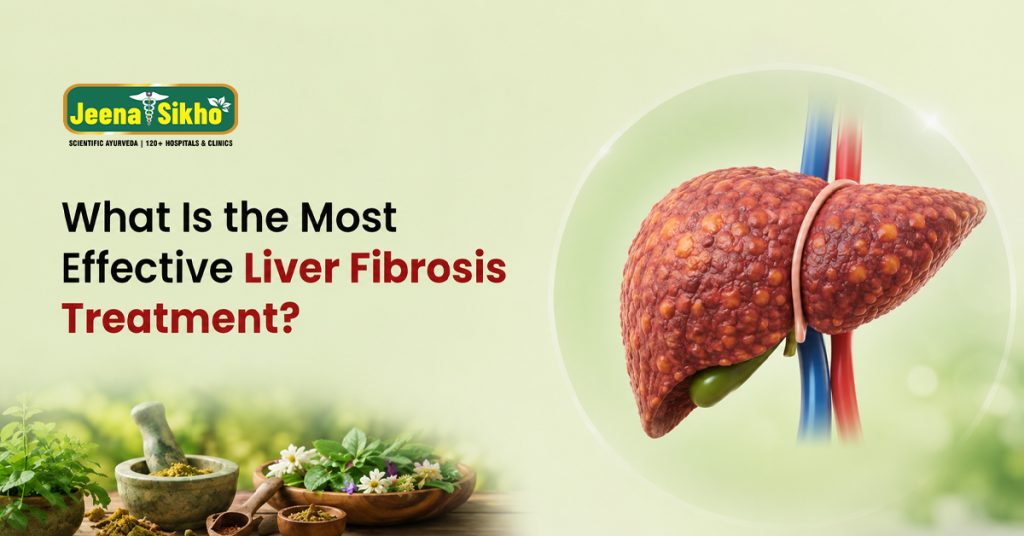
The liver is an important organ of the body. Its important functions include detoxification, metabolism, digestion, nutrient storage, and many more. Repeated damage to the liver results in the formation of scar tissue within the liver. Such an occurrence is referred to as liver fibrosis. The symptoms of liver fibrosis may not present themselves in the initial stages of the condition, which means regular health check-ups for individuals at risk are recommended.
However, the encouraging part is that with early identification and treatment of the underlying cause of the liver fibrosis, the condition is easily manageable. Liver fibrosis can even get better, thus the need to learn more about the available liver fibrosis treatments. This blog explains what liver fibrosis is, what causes it, its symptoms, diagnostic procedures, liver disease treatment options, and how Ayurveda helps the liver remain healthy.
What Is Liver Fibrosis?
Liver fibrosis is a condition whereby scar tissue accumulates inside the liver due to repeated injuries or inflammation of the organ. Scar tissue, unlike normal liver tissue, does not have the ability to undertake the activities of a healthy liver. The more the liver gets fibrotic, the more difficult it becomes for it to perform its normal activities. Liver fibrosis can develop into cirrhosis if left untreated; therefore, early diagnosis is important in preventing further deterioration of the condition.
What Causes Liver Fibrosis?
There are various factors that may lead to damage of the liver. These include:
- Hepatitis B or C infection
- Chronic drinking of alcohol
- Non-alcoholic fatty liver disease (NAFLD)
- Non-alcoholic steatohepatitis (NASH)
- Being overweight or obese
- Diabetes type 2
- Genetic liver disorders
- Liver autoimmunity diseases
- Continuous use of specific drugs or toxins
Treating the underlying cause is one of the most important parts of liver fibrosis treatment.
Symptoms of Liver Fibrosis
In the early stages, liver fibrosis often causes no symptoms. With the progression of the disease, one will suffer from the following:
- Extreme fatigue
- Weakness
- Loss of appetite
- Unexpected weight loss
- Pain or discomfort in the upper right abdomen
- Swelling of the feet or abdomen
- Yellow discoloration of the skin and eyes (jaundice)
- Tendency to bleed easily or get bruises
It should be noted that the above symptoms might be present in other liver diseases as well.
How Is Liver Fibrosis Diagnosed?
An early diagnosis of liver fibrosis helps to start the right liver disease treatment and can assist in reducing further liver damage. The diagnosis process usually starts with collecting information regarding your medical history, current symptoms, lifestyle, use of medications and drugs, history of alcohol intake, and current state of the liver.
For confirming the diagnosis, you might be recommended to do the following:
- Blood test to evaluate liver functioning and identify any liver damage.
- Ultrasound to examine liver size and health condition.
In the case of Ayurvedic medicine, the diagnosing process does not stop at a damaged organ but extends to a broader overview of the patient’s condition. Ayurveda specialists can diagnose Prakriti (your body type), Dosha balance (Vata, Pitta, and Kapha), Nadi Pariksha (pulse examination), Agni (digestion strength), and lifestyle factors.
At Jeena Sikho HiiMS, our Ayurveda specialists take into consideration all the above-mentioned factors and combine them with your medical reports to evaluate the overall condition of the patient and create an individual wellness programme.
Liver Fibrosis Treatment
The most effective liver fibrosis treatment depends on what is causing the liver damage. There is no single treatment that works for everyone. Instead, doctors focus on treating the underlying condition while protecting the liver from further injury.
Treatment may include:
- Medicines to manage hepatitis or autoimmune liver disease
- Weight management for people with fatty liver disease
- Controlling diabetes and high cholesterol
- Monitoring liver function through follow-up visits
In many people, managing the underlying cause may help slow the progression of fibrosis and, in some cases, allow partial improvement in liver scarring.
Can Ayurveda Support Liver Health?
According to the concept of Ayurveda, the liver plays a key role in overall health and digestion. Apart from the regular medication, some opt for Ayurvedic therapy in order to ensure good health and adopt better lifestyle practices.
At Jeena Sikho HiiMS, the Ayurvedic treatment will be customized according to the state of one’s health. The treatment program can include the following options, depending on the needs of a patient:
- Individualized Ayurvedic consultation
- Ayurvedic herbs prescribed by certified Ayurvedic physicians
- Guidance on diet according to the principles of Ayurveda
- Modification of lifestyle practices in accordance with liver health
- Panchakarma, if required after the examination by a physician
Ayurvedic treatment always has to be supervised by professionals and cannot substitute the medical treatment of serious cases of liver disease.
Lifestyle Tips to Support Liver Health
Healthy daily habits play an important role in protecting the liver.
You can help your liver by:
- Eating lots of fruits and vegetables
- Having whole grains and lean meat
- Avoid junk food and sugar
- Staying at a healthy weight
- Regular exercise
- No alcohol
- Drinking sufficient water
- Simple lifestyle modifications can create a big impact in the long run.
Can Liver Fibrosis Be Reversed?
The possibility of liver fibrosis improvement will depend on its stage and the cause that triggered the disease in the first place.
At the earlier stages of development, removal or cessation of the factor that triggered the disease could result in some degree of improvement, as the liver has quite an ability to heal itself. However, more advanced stages of liver fibrosis, including cirrhosis, are much harder to treat. This is why early diagnosis and timely liver cirrhosis treatment are so important.
When Should You See a Doctor?
Consult a doctor if you have:
- Excessive fatigue
- Jaundice (yellowish coloration of the skin and eyes)
- Abdominal swelling
- Persistent abdominal pain
- History of hepatitis, fatty liver, or excessive consumption of alcohol
- Unusual results of liver function tests
Timely medical consultation may help to detect liver conditions before they become serious.

Conclusion
The development of liver fibrosis is a slow process, but timely diagnosis helps in halting the progress of the disease. The most appropriate way for liver fibrosis treatment involves the identification and management of its causative factor along with the improvement of overall liver health by making healthy life choices. The Ayurvedic treatment for liver at Jeena Sikho HiiMS provides personalized treatment in the form of consultation, diet advice, lifestyle changes, and other support treatments depending on your condition. You can get personalized treatment from experienced Ayurvedic doctors via Virtual OPD (VOPD).
FAQs
1. Is there a cure for liver fibrosis?
There is a potential for the condition to be reversed in the early stages in case the underlying cause is successfully treated. It is harder to reverse liver fibrosis at an advanced stage.
2. What would be the best way to treat liver fibrosis?
To treat liver fibrosis, one should deal with the cause of the problem and lead a healthier lifestyle.
3. What are the earliest symptoms of liver fibrosis?
There is no sign of liver fibrosis in the early stage, but there will be symptoms during the advanced stage, which include being tired, having lost appetite, abdominal pain, losing weight, and jaundice.
4. Does Ayurveda treat liver fibrosis?
The approach may help in the management of liver fibrosis in an individual by taking the personal needs of that person into account and using personalised diets, lifestyles, herbs and medicines.
5. Does liver fibrosis progress to liver cirrhosis?
Untreated liver fibrosis can progress to liver cirrhosis, which is characterised by extreme scarring in the liver cells.