Shop Now
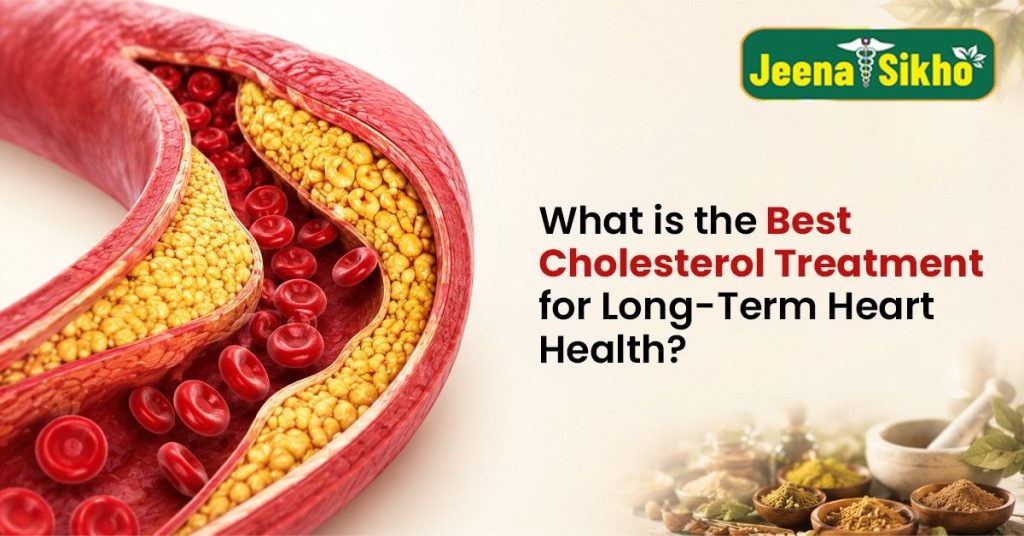
Cholesterol treatment, especially high cholesterol treatment, is something most people only pay attention to when their reports start showing higher values. But it’s not just about numbers on paper. If one continues experiencing increased cholesterol levels, over time it may lead to health problems, primarily in terms of the heart’s condition.
For most people, the first step would be trying to come up with a fast solution to the problem. In most cases, medications are prescribed, and while in some instances this is necessary, in most others the process of cholesterol management needs a bigger picture.
Herein comes the importance of cholesterol care tips and recommendations that help establish a healthy lifestyle pattern. This means moving from trying to lower one’s cholesterol to creating a healthy balance within the body’s system.
In this blog, we shall explore the process and aspects of long-term cholesterol treatment and care, as well as see what combination of methods can help build a good routine.
What Is Long-Term Cholesterol Management?
Managing cholesterol is not a one-time process. It’s more about consistency than intensity. Instead of only focusing on lowering levels quickly, a long-term plan usually looks at:
- What you eat daily.
- How active your routine is.
- How your body handles stress.
- Overall metabolic balance.
This is why some people explore the holistic systems like Ayurveda alongside medical advice.
A Holistic Approach to Cholesterol Care
In centres such as Jeena Sikho HiiMS, cholesterol management has a wider meaning; it is not about maintaining normal levels but maintaining harmony in the body through a span of time. This method is typically broken down into four areas:
1. Diet as a Daily Practice (Aahar)
The diet has a direct role in the body’s control over fats. A typical daily diet protocol would be prescribed as follows:
- Focus on vegetarian the dishes.
- Seasonal fruits and vegetables.
- Use of millets instead of refined grains.
- Light and easily digestible foods.
- Minimal oil and processed items.
The idea is not strict dieting, but eating in a way the body can handle comfortably.
2. Lifestyle Changes That Actually Matter (Vihar)
Small daily habits often make more difference than people expect. Some basic changes include:
- Around 30 minutes of daily movement like walking or light yoga.
- Simple breathing exercises.
- Paying attention to sleep.
- Managing stress levels.
Ignoring stress and poor sleep while trying to control cholesterol doesn’t really work long-term. The body eventually reflects it.
3. Ayurvedic Cleansing Methods (Shodhan)
In Ayurveda, internal cleansing is considered an important part of maintaining balance. Panchakarma therapies may be included in some cases, such as:
- Virechana (cleansing through bowels).
- Basti (medicated enema).
- Vamana (therapeutic cleansing).
These are not general treatments. They are planned based on the individual’s condition and always require proper supervision.
4. Herbal Support (Shaman)
Certain herbs are traditionally used in Ayurveda in routines related to fat metabolism and heart health. Commonly mentioned ones include:
- Guggul
- Arjuna
- Triphala
- Amla
These are not quick solutions but may be part of a longer routine when guided properly.
When Should You See a Cholesterol Doctor?
Sometimes lifestyle changes alone may not be enough. In such cases, Jeena Sikho HiiMS recommends consulting a qualified healthcare professional, especially if:
- Cholesterol levels remain high over the time.
- There is a family history of the heart disease.
- You already have other conditions like diabetes or BP.
- Symptoms like chest discomfort or unusual fatigue appear.
A proper evaluation helps in deciding the next steps instead of guessing.
Choosing an Effective Cholesterol Treatment
If you are searching for cholesterol treatment, it is important to choose the right place. The proper setup will most likely involve:
- Appropriate medical assessment
- Well-qualified high cholesterol specialist
- Structured lifestyle guidance.
- Clear follow-up plans.
A reliable hospital will not just focus on reports but will also guide you toward long-term habits and routine changes.
Conclusion
A one-size-fits-all best high cholesterol treatment does not exist. Sustained cardiac well-being typically results from a combination of professional input, lifestyle practices, and controlled levels of cholesterol. Holistic cholesterol treatments such as Ayurveda might be considered as complementary medicine but must always be practiced in a responsible and advised manner. For those who are seeking help, the services of Jeena Sikho HiiMS with respect to VOPD consultancy can be considered.

FAQs
1. How can one treat cholesterol?
It means ways of controlling the cholesterol level such as diet, exercise, and other treatment.
2. Is it possible to control high cholesterol without drugs?
Some people control their cholesterol without using drugs depending on their situation.
3. Why is diet necessary in the treatment of cholesterol?
It is very essential in the treatment of cholesterol if done regularly.
4. Can Ayurvedic treatment help in managing cholesterol?
It is helpful if it is used as complementary treatment in cholesterol treatment.
5. When do you need to seek professional help?
If cholesterol levels are high, you need medical attention.